
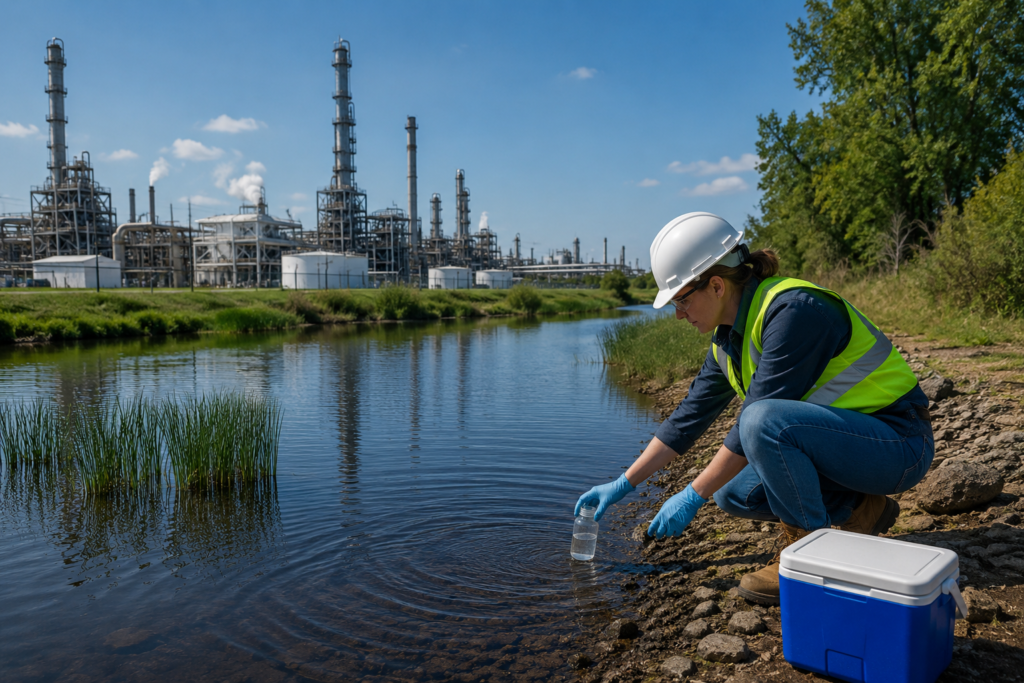
TCEQ stands for the Texas Commission on Environmental Quality, the state agency responsible for protecting Texas’s public health and natural resources. TCEQ oversees a wide range of environmental matters, including air quality, water quality, waste management, industrial emissions, and environmental permits. The agency also develops and enforces regulations designed to help businesses, communities, and individuals comply with Texas environmental requirements. Understanding TCEQ is particularly important for businesses and organizations whose operations may affect air, water, land, or public health.
What Is TCEQ?
The Texas Commission on Environmental Quality is the environmental agency for the state, with about 2,800 employees in its Austin central office and 16 regional offices. You meet TCEQ when you apply for a permit, pay a fee, renew a license, or search a public record. Which of those tasks brings you here today? texas
What Is the TCEQ Meaning, and What Does It Stand For?
TCEQ stands for Texas Commission on Environmental Quality. The acronym appears on permits, notices, invoices, and license cards. Sunset legislation in 2001 gave the agency its current name. Earlier, the Texas Natural Resource Conservation Commission carried out the same mission. texapedia
What Does TCEQ Do in Texas?
TCEQ regulates water quality, air quality, and waste management in Texas. Two divisions carry most of the load: texapedia
- Office of Compliance and Enforcement: It enforces state environmental laws, responds to emergencies and natural disasters, oversees dam safety, and monitors air quality. texapedia
- Office of Water: It oversees public water, groundwater protection, wastewater, storm water, and animal feeding operation permits. texapedia
How much enforcement work does that involve? In a typical year, TCEQ conducts about 100,000 routine investigations, including about 5,000 complaint investigations. In fiscal 2023, the agency issued 1,023 administrative orders that assessed over $13.9 million in penalties. Your facility can face an inspection at any time, so keep your records current. texastexas
How Many Public Water Systems Does TCEQ Regulate?
As of July 1, 2026, Texas regulates 7,397 public water systems. About 33.2 million people receive water from 4,747 community water systems. The number of regulated systems rises each year. In 2022, the same report counted 7,108 systems. Do you operate one of these systems? Then you answer to TCEQ for sampling, disinfection, and public notices. texastexas
Where Is TCEQ Headquartered?
TCEQ headquarters sit at 12100 Park 35 Circle in Austin. Sixteen regional offices cover the rest of Texas. Your regional office handles local inspections, complaints, and field questions. Which region covers your county? The TCEQ website maps every service area. riteme
Who Runs TCEQ?
Three full-time commissioners lead TCEQ. They set agency direction and policy and make final decisions on contested permitting and enforcement matters. The governor appoints them to six-year terms with the advice and consent of the Texas Senate. An executive director manages daily operations. Commissioner names change often, so confirm the current roster on the official TCEQ commissioners page before you cite it. WikipediaWikipedia
How Big Is the TCEQ Budget?
TCEQ lists a total fiscal 2026 budget of $688 million. That figure compares with $557 million in fiscal 2025. The fiscal 2026 sources break down as follows: texastexas
| Funding source | Amount |
| Program fees | $376.4 million |
| Federal funds | $71.7 million |
| General revenue | $24.4 million |
| Texas Emissions Reduction Plan Trust | $188.1 million |
| Other sources | $27.2 million |
Program fees fund the largest share. Permit holders and license holders therefore carry much of the agency’s cost.
What Permits Does TCEQ Issue?
Texas businesses need TCEQ authorization for many activities. Common permit types include:
- Air quality permits for factories, power plants, and oil and gas sites
- Wastewater discharge permits under the Texas Pollutant Discharge Elimination System (TPDES)
- Water rights permits for surface water use
- Waste permits for landfills and hazardous waste facilities
- Edwards Aquifer permits that protect a key recharge zone
- Petroleum storage tank registrations
Each permit has its own application, public notice, and review steps. Large projects often draw public comment and public meetings. Do you know which steps your project requires? Check the program page before you submit.
How Do You Use TCEQ STEERS?
STEERS stands for State of Texas Environmental Electronic Reporting System. You use it to send forms, notices, and reports online. Take four steps:
- Create a STEERS account on the official TCEQ website.
- Link your account to your Customer Number (CN) and Regulated Entity Number (RN).
- Select the form or report you need.
- Submit it and save your confirmation.
Electronic submission speeds review. It also creates a clear record for your files.
How Do You Use TCEQ Login Pages Safely?
Open the TCEQ site and use only addresses that end in tceq.texas.gov. Scammers copy agency pages, so check the address bar before you enter a password. Which TCEQ system do you need first? Most users start with STEERS or Records Online.
How Do You Search TCEQ Records Online?
TCEQ Records Online gives you public access to permits, inspection reports, enforcement orders, and correspondence. Two identifiers speed up your search:
- Customer Number (CN): identifies the person or company.
- Regulated Entity Number (RN): identifies the site or facility.
Search by CN or RN first. Otherwise, try the company name, permit number, or county. Narrow the results by date to find the newest documents.
How Do You Check TCEQ Application Status?
Your application status shows where your permit sits in review. Search Records Online with your CN, RN, or permit number. Then read the newest documents for notices, technical reviews, and decisions. Need a faster answer? Call the program staff named in your acknowledgment letter. Your regional office can also point you to the right contact.
What Is a TCEQ Fee in Texas?
A TCEQ fee is a charge tied to a permit, registration, license, or regulated activity. Common types include application fees, annual fees, and exam fees. Amounts vary by program, facility size, and permit type.
Late payment can delay a permit or trigger penalties. Mark each due date on your calendar. Do you know which fees apply to your facility? Open the fee page for your program before you apply.
How Do You Get a TCEQ Occupational License?
TCEQ licenses professionals in several fields:
- Public water system operators
- Landscape irrigators
- On-site sewage facility installers
- Underground storage tank professionals
- Wastewater operators
Most licenses require an application, an approved course, and a passing exam score. Each license also needs renewal. Track your expiration date so your credential stays active. Use TCEQ Individual Search to confirm the status of a license holder before you hire one.
What Is TCEQ CID?
CID stands for Critical Infrastructure Division. The division helps regulated critical infrastructure stay compliant with environmental rules and supports those facilities during disasters. Operators of essential facilities should know this office. Do you manage a utility or industrial site? Ask your regional office how CID applies to you. texas
How Do You File a TCEQ Complaint?
You can report odors, illegal dumping, water quality problems, and other concerns. Contact your regional office or use the online complaint form. Give the date, time, location, and a clear description. Add photos and notes to strengthen your report. Investigators then review the facts and choose the next step. Report an issue as soon as you notice it.
Are There TCEQ Jobs in Austin?
TCEQ hires scientists, engineers, attorneys, analysts, and administrative staff. Most employees are professionals in science, technology, engineering, computer science, or related fields. Many positions sit at the Austin headquarters, and others sit in regional offices. Check the TCEQ jobs page and the state jobs portal often, because state agencies post openings on set schedules. texapedia
FAQs
1. What does TCEQ stand for?
TCEQ stands for the Texas Commission on Environmental Quality.
2. What does TCEQ do?
TCEQ regulates and monitors environmental issues in Texas, including air quality, water resources, waste management, and environmental compliance.
3. Who needs to comply with TCEQ regulations?
Businesses, industries, municipalities, and other organizations involved in activities that may affect the environment may need to comply with applicable TCEQ regulations.
4. What types of permits does TCEQ issue?
TCEQ administers various environmental permits covering areas such as air emissions, wastewater, water quality, waste management, and certain industrial activities.
5. Why is TCEQ important for businesses?
Following TCEQ requirements can help businesses operate legally, reduce environmental risks, protect public health, and avoid potential enforcement actions or penalties.
6. How can I find TCEQ regulations?
TCEQ provides environmental regulations, guidance, permits, forms, and compliance information through its official resources.
7. Does TCEQ regulate air quality?
Yes. TCEQ plays a major role in monitoring and regulating air quality and industrial air emissions throughout Texas.
8. Does TCEQ regulate water quality?
Yes. TCEQ oversees various aspects of water quality, wastewater, drinking-water regulation, and water-related environmental protection in Texas.
Conclusion
TCEQ plays a critical role in protecting Texas’s air, water, land, and public health. Its regulations and permitting programs affect many businesses, industries, municipalities, and other organizations across the state. Understanding the applicable TCEQ requirements can help organizations maintain environmental compliance, manage operational risks, and contribute to a cleaner and healthier Texas.
Xkolab appears to be positioned as an SEO-focused agency that helps businesses improve search visibility, authority, organic traffic, and overall digital growth through backlink and SEO strategies.