
Sport, Lifestyle and Recreation: Complete Guide
SLR gives you practical skills for lifelong activity, clear HSC pathways in NSW, and growing job options in fitness and recreation; the Stage 6 syllabus lists 15 modules and schools pick electives, and 31% of adults worldwide fail to meet activity targets.
What is SLR and why should you care?
What does SLR cover?
Sport, Lifestyle and Recreation (SLR) links physical activity, leisure, and lifestyle choices. The course aims to build practical skills and healthy habits. The NSW Stage 6 SLR is a Content Endorsed Course (CEC) for Years 11–12.
How does Stage 6 SLR work in schools?
How do schools run the course?
Schools choose from 15 optional modules and usually teach four modules per year. The course favors practical participation over heavy theory. Vocational credits may apply for fitness industry pathways.
What core terms should you know?
What is the difference between sport, lifestyle, and recreation?
- Sport: Structured, rule-based competition (e.g., soccer, basketball).
- Lifestyle: Daily choices that add activity to routine (e.g., walk to work).
- Recreation: Leisure activities for pleasure and recovery (e.g., casual swim, painting).
What health and social benefits can you expect?
How does activity help you?
Regular activity lowers risk of heart disease, diabetes, and some cancers. Global data show 31% of adults and 80% of adolescents do not meet recommended activity levels. Mental health improves through mood-boosting hormones and stress reduction. Social ties grow through team sport and community programs.
What activities can you try right now?
Which options suit you?
- Outdoor: Hiking, cycling, kayaking.
- Creative: Painting, photography, music.
- Team: Volleyball, badminton, soccer.
Mind-body: Yoga, Tai Chi, meditation.
- Schedule sessions like appointments. Start small. Invite a friend. Will you try one this week?
What careers follow SLR study?
Which jobs can SLR lead to?
- Personal Trainer / Gym Instructor.
- Sports Coach / Referee.
- Sports Administrator / Development Officer.
Outdoor Guide / Camp Leader.
- Fitness and recreation job listings remain strong in Australia and globally, with thousands of active roles on job boards. Search platforms show 1,000+ fitness roles in Australia as of recent listings.
What future trends should you watch?
What will change next?
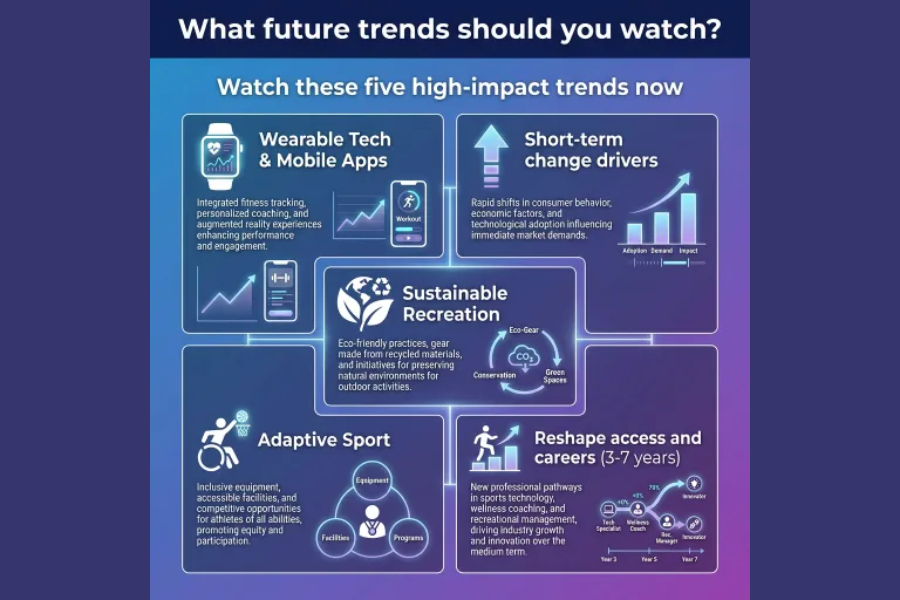
Digital tools will shape coaching and remote training. Eco-friendly recreation will grow in demand. Programs for inclusive and adaptive sport will expand.
What risks and limitations should you consider?
What could go wrong?
Poor technique can cause injury. Low-quality trainers may offer unsafe programs. Verify qualifications and first-aid credentials before you pay. Check local regulations and accreditation for vocational credits. Use trusted sources for course details.
How can you start today?
What is one simple step?
Pick one activity and book a 30-minute session this week. Ask a friend to join. Check the NSW SLR syllabus for module lists if you plan HSC study.
FAQs
What is Sport, Lifestyle and Recreation (SLR)?
SLR links physical activity, leisure, and healthy lifestyle skills. The NSW Stage 6 course appears as a Content Endorsed Course for Years 11–12. The course emphasizes hands-on practice and vocational pathways.
What core terms should you know?
Sport means structured, rule-based competition such as soccer or basketball. Lifestyle means daily habits that add activity to your routine such as walking to work. Recreation means leisure activities chosen for pleasure and recovery such as a casual swim or painting.
What modules appear in the Stage 6 SLR syllabus?
Schools select modules from a full list and usually teach four modules per year. Common modules include Aquatics, Athletics, Fitness, Healthy Lifestyle, Outdoor Recreation, Sports Coaching, Sports Administration, Resistance Training, and First Aid. Vocational credit often links to fitness industry certificates.
What health benefits can you expect from SLR activities?
Regular activity reduces risk of heart disease and diabetes. Activity improves cardiovascular fitness and muscle strength. Global surveys show about 31% of adults do not meet recommended activity targets.
What mental and social benefits follow activity?
You gain mood improvement and stress reduction through regular activity. Team sport builds leadership and teamwork skills. Community programs increase social inclusion and a sense of belonging.
What careers follow SLR study?
Career paths include Personal Trainer, Sports Coach, Referee, Sports Administrator, Outdoor Guide, and First Aid Officer. You can also start a wellness business such as a coaching service or fitness app. Vocational credits can speed entry into industry roles.
How do you start a recreation plan today?
Pick one activity and schedule a 30-minute session this week. Invite a friend to join you. Start small and increase time and intensity in steps.
How does SLR relate to HSC assessment?
Assessment focuses on practical competence, safe practice, and applied knowledge. Schools set internal tasks that align with the NSW syllabus and HSC requirements. You must demonstrate safe technique and accurate record keeping.
What safety and quality checks should you use?
Verify trainer qualifications and first-aid credentials before you pay. Use accredited providers for vocational credits. Inspect equipment and venue safety before each session.
What future trends should you watch?
Digital coaching and remote training will expand access to services. Eco-friendly recreation and adaptive sport programs will grow in demand. New tools will create more career options in sport and wellness.
Where can students find reliable resources?
Check the NSW education authority for the official syllabus and assessment rules. Consult registered training organisations for vocational pathways. Use peer-reviewed health studies and global health agency guidance for activity recommendations.
What quick question should you ask yourself now?
Which activity will you try this week and who will join you?
Unlock fresh perspectives on Xkolab.
